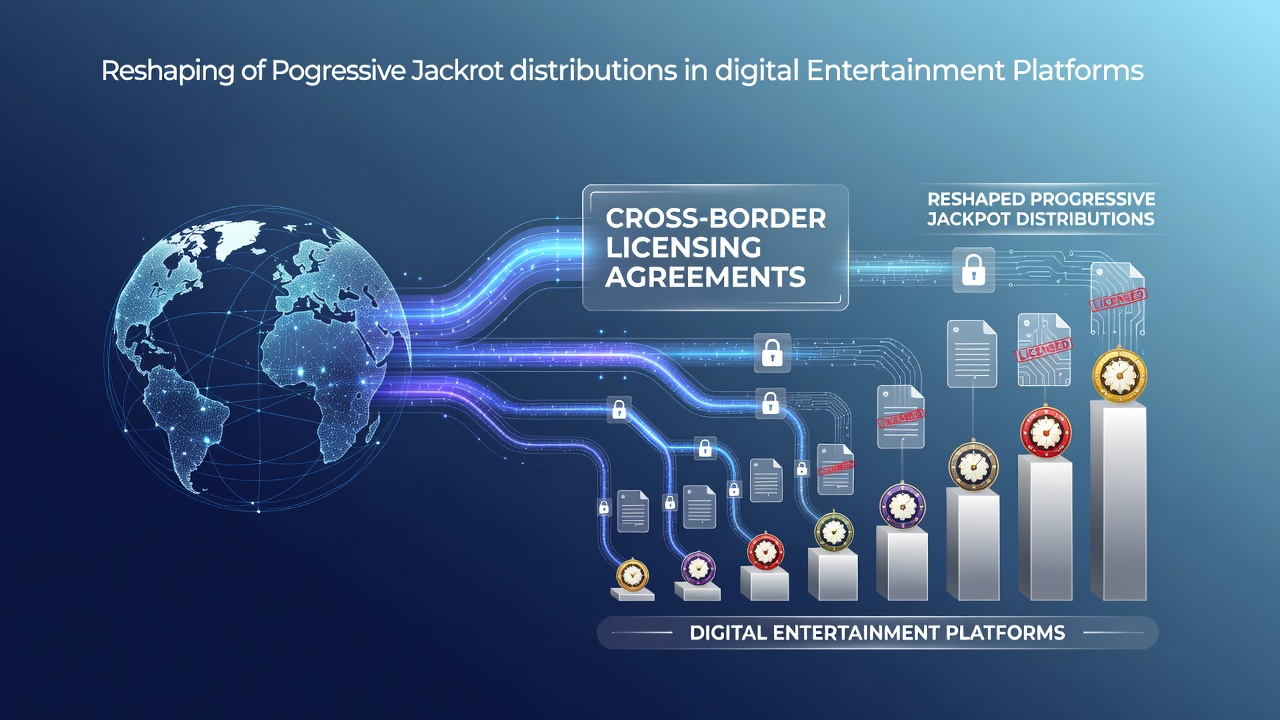
Unpacking how cross-border licensing agreements reshape progressive jackpot distributions in digital entertainment platforms
Cross-border licensing agreements allow operators to pool player contributions into progressive jackpots that span multiple jurisdictions, and this structure alters how prize funds accumulate and get disbursed when wins occur. Data from industry reports indicates that such agreements have grown more common since regulatory bodies began aligning standards for remote gaming in the mid-2020s, which means jackpot pools now draw from wider player bases while facing stricter rules on fund segregation and tax allocation.Mechanics of cross-border licensing in gaming platforms
Operators secure licenses from multiple authorities to offer games across borders, and each agreement specifies how contributions to progressive systems flow into shared pools. Those who've studied licensing frameworks note that clauses often require separate accounting for each jurisdiction's player input even when the jackpot itself combines those inputs into one growing total. In practice this creates layered compliance layers because regulators demand visibility into revenue splits before any distribution happens.
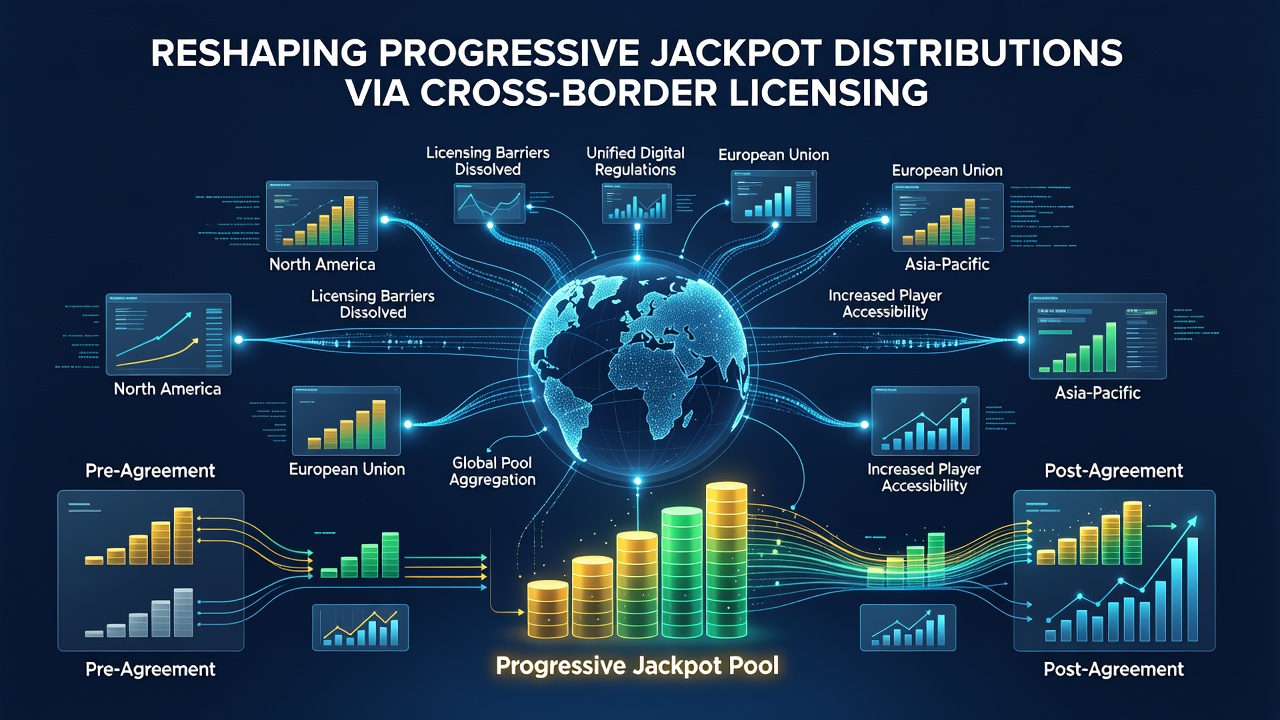
Research from academic sources shows that these arrangements emerged to address legal barriers that once kept jackpots confined within single markets, yet they introduce new variables around currency conversion and payout timing. Figures from 2025 data collections reveal that cross-licensed platforms managed larger average jackpot sizes compared to domestic-only setups because contributions arrived from diverse regions simultaneously.
Effects on progressive jackpot accumulation and payout structures
Progressive distributions shift when agreements mandate that a percentage of each pool segment stays reserved for the licensing jurisdiction where the winning player resides. This reservation rule affects seed amounts for subsequent cycles because operators must replenish local funds independently rather than drawing uniformly from the global total. Observers note that platforms operating under such terms often adjust contribution rates regionally to maintain balance across the pooled system.
What's interesting here is how timing of contributions interacts with license terms during peak activity periods, since staggered regulatory reporting deadlines can delay final pool calculations. One study revealed that platforms using synchronized reporting reduced discrepancies in reported jackpot values by up to 18 percent compared to those handling filings separately.
Regulatory developments shaping distributions in 2026
July 2026 saw several licensing renewals that incorporated updated provisions for progressive systems, particularly around transparency in multi-jurisdiction audits. These updates require operators to submit real-time pool data to each participating authority, which changes how quickly winnings can be verified and released. According to reports issued by the Nevada Gaming Control Board, similar provisions had already been tested in limited interstate arrangements and produced measurable improvements in audit completion times.
Yet the reality is that smaller operators sometimes face higher administrative costs under these terms because they must maintain parallel compliance teams for each license. Industry associations have documented cases where platforms consolidated their jackpot offerings into fewer cross-border agreements to streamline reporting, and those consolidations led to more concentrated pool growth within select partnerships.
Case examples from different regions
Take one operator licensed in both European Union member states and select Asian markets that adjusted its progressive mechanics after a 2026 agreement renewal. The new terms required ring-fencing of 12 percent of contributions from each region for local tax reserves, which slowed overall pool growth rates but ensured faster local payout processing once wins triggered. External analysis from the European Gaming and Betting Association tracked similar patterns across multiple operators and confirmed consistent impacts on distribution timelines.
Another example comes from platforms connecting Canadian and Australian markets through bilateral licensing pacts finalized earlier in the decade. Data shows these pacts produced larger average jackpots while requiring operators to apply different seed funding formulas depending on which jurisdiction hosted the winning account. Researchers at the UNSW Gambling Research Centre published findings indicating that such formulas reduced disputes over prize allocation by establishing clear pre-agreed percentages for each participating authority.
Conclusion
Cross-border licensing agreements continue to redefine how progressive jackpots operate by tying accumulation rules directly to multi-jurisdiction compliance requirements. Platforms adapt their systems to meet these layered obligations, which results in altered growth curves and payout procedures that reflect the specific terms negotiated between regulators and operators. As more agreements incorporate detailed provisions for fund segregation and audit synchronization, the structure of jackpot distributions evolves to accommodate both broader participation and stricter oversight across regions.