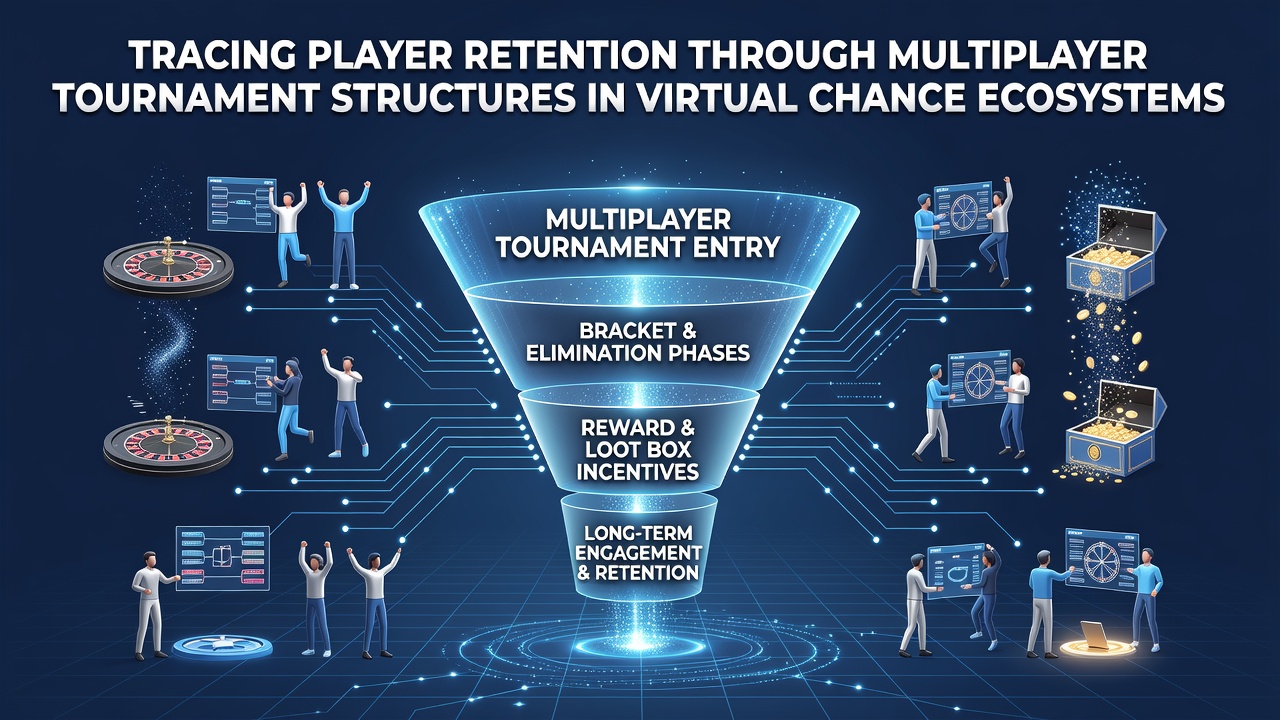
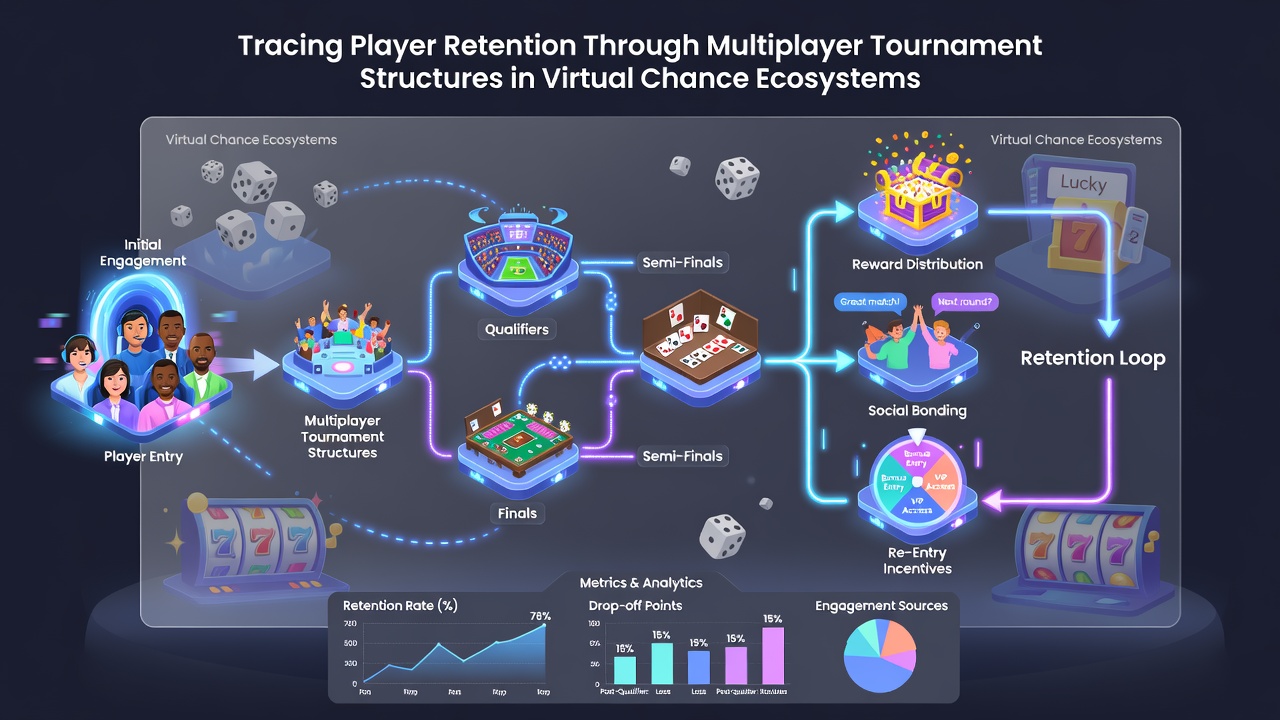
Tracing Player Retention Through Multiplayer Tournament Structures in Virtual Chance Ecosystems
Virtual chance ecosystems encompass online platforms where participants engage with games of probability through structured multiplayer formats, and observers note that tournament mechanics play a central role in sustaining long-term engagement across these environments. Researchers have examined how bracket systems, leaderboards, and progressive elimination rounds influence return rates, with data indicating measurable patterns in user activity that extend beyond single-session participation. In June 2026 several platforms reported sustained increases in repeat logins tied directly to ongoing tournament cycles, as participants returned to track standings and compete for cumulative rewards.
Core Components of Tournament Structures
Multiplayer tournaments in these ecosystems typically feature seeded brackets, daily qualifiers, and seasonal leaderboards that reset on fixed intervals, allowing analysts to track retention through participation frequency and completion rates. Those who've studied platform metrics find that players who advance past initial rounds demonstrate higher return probabilities over subsequent weeks, since the structure creates ongoing objectives that span multiple days or weeks. Evidence from aggregated user data shows that elimination formats encourage consistent logins, as competitors monitor progress and adjust strategies based on real-time updates from fellow participants.
Retention Metrics and Data Patterns
Industry reports compiled across multiple regions reveal that retention lifts of 15 to 25 percent occur when tournaments incorporate team-based elements alongside individual rankings, because social accountability adds another layer of motivation. Data indicates that players who join at least three consecutive events within a 30-day window maintain activity levels at nearly double the rate of non-tournament users, and this pattern holds across both desktop and mobile interfaces. Figures from North American operators demonstrate that progressive prize pools, which grow with cumulative entries, correlate with extended session durations and reduced churn during off-peak hours.
What's interesting is how these structures integrate with algorithmic matchmaking to pair participants of similar skill tiers, thereby reducing frustration and supporting continued involvement. Observers note that platforms employing transparent point accumulation systems tied to tournament performance achieve steadier retention curves compared to those relying solely on random matchmaking.
Regional Variations in Implementation
Regulatory frameworks in different jurisdictions shape how tournament features develop, with Canadian provincial authorities tracking retention outcomes through mandatory reporting on player activity in licensed digital environments. A report from the Canada Revenue Agency highlights correlations between structured competitions and sustained user bases in provincially regulated spaces. Meanwhile, operators in Australia have documented similar trends through state-level gaming commissions, where data shows tournaments extending average account lifespans by measurable margins when combined with loyalty point integrations.
European operators under varying national rules have adopted hybrid models that blend free-to-enter events with paid buy-ins, and researchers have observed that this mix sustains broader demographic participation while maintaining retention benchmarks. Studies conducted by academic groups at institutions such as those affiliated with University College London gaming research initiatives further map how bracket resets timed to monthly cycles align with peak engagement windows across time zones.
Technological Enablers and Tracking Methods
Advanced analytics platforms now monitor retention through unique identifiers that follow individuals across tournament phases, capturing metrics such as re-entry frequency and performance consistency. These systems employ real-time dashboards that flag drop-off points, enabling operators to adjust prize distributions or format lengths accordingly. Evidence suggests that integration with secure digital wallets facilitates seamless re-entries, reducing friction that might otherwise interrupt participation streaks during active competitions.
Those monitoring ecosystem trends in June 2026 noted increased adoption of cross-platform synchronization tools, which allow players to resume tournament progress on different devices without losing accumulated standings. This continuity contributes to higher completion rates and supports the overall retention objectives embedded in the tournament design.
Conclusion
Multiplayer tournament structures within virtual chance ecosystems function as retention mechanisms through layered objectives, social dynamics, and progressive reward systems that encourage repeated engagement. Data across regulatory regions and research sources confirms that these formats generate measurable lifts in return rates when implemented with transparent rules and adaptive matchmaking. As platforms refine these approaches, the interconnections between tournament design and user longevity continue to shape operational strategies in measurable ways.