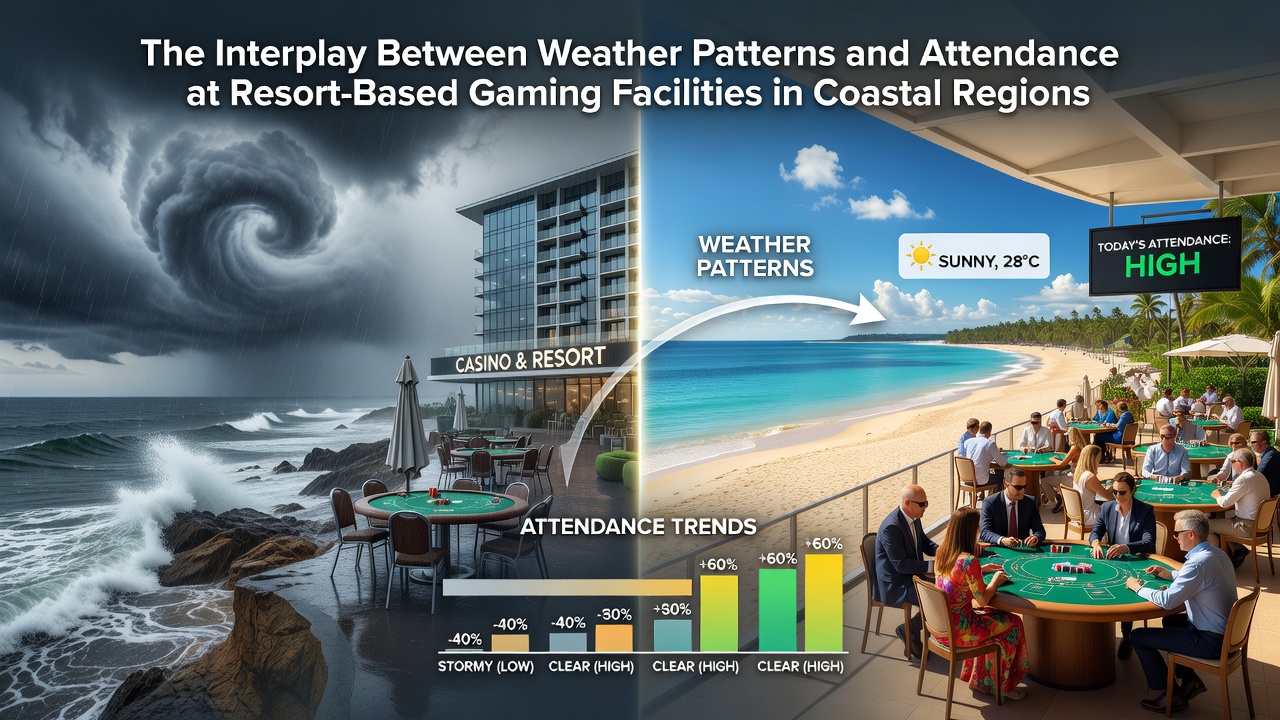
The Interplay Between Weather Patterns and Attendance at Resort-Based Gaming Facilities in Coastal Regions
Coastal resort-based gaming facilities experience distinct shifts in attendance tied directly to weather patterns, with data from multiple regions showing measurable correlations between temperature fluctuations, precipitation levels, and visitor volumes throughout the year. Operators in areas such as the Gulf Coast and the Eastern Seaboard track these variables closely because storms and seasonal changes alter travel decisions, booking rates, and on-site activity in consistent ways. Research from government meteorological agencies indicates that attendance often drops during periods of high wind, heavy rain, or extreme heat, while moderate conditions tend to support steadier foot traffic.
Seasonal Influences on Visitor Volumes
Observers note that summer months bring mixed results for coastal properties, where elevated temperatures can discourage outdoor travel yet also coincide with school vacations that boost family visits in non-storm periods. Data collected across multiple facilities reveals attendance peaks during spring and fall when milder conditions prevail, whereas winter storms along northern coasts frequently reduce arrivals by prompting cancellations. In southern regions, consistent warmth supports year-round operations, but humidity spikes still correlate with shorter visitor stays according to tourism tracking reports.
July 2026 patterns followed this established rhythm, with facilities along the Atlantic seaboard recording attendance figures that aligned with average temperatures and minimal precipitation in the first half of the month before shifting with incoming weather systems. Those who monitor reservation systems report that advance bookings adjust rapidly once forecasts indicate changes, demonstrating how weather data feeds directly into operational planning at these venues.
Effects of Storms and Extreme Events
Hurricanes and tropical storms produce the most pronounced attendance declines, as evacuation orders and travel advisories lead guests to postpone or cancel trips entirely. Facilities in hurricane-prone zones maintain contingency protocols that include early closures or reduced staffing when forecasts project landfall within specific windows, and records show recovery periods lasting several weeks afterward while infrastructure repairs and perception management occur. Studies from academic institutions have quantified these impacts, finding that even distant storm systems can reduce coastal casino visits through associated rough seas and flight disruptions.
What's interesting is how facilities differentiate between minor weather events and major threats, since light rain often leaves table games and slots unaffected while severe conditions empty parking lots and hotel rooms. Government weather services provide the alerts that trigger these decisions, allowing properties to communicate updates to guests through multiple channels and minimize last-minute losses where possible.
Regional Variations and Data Trends
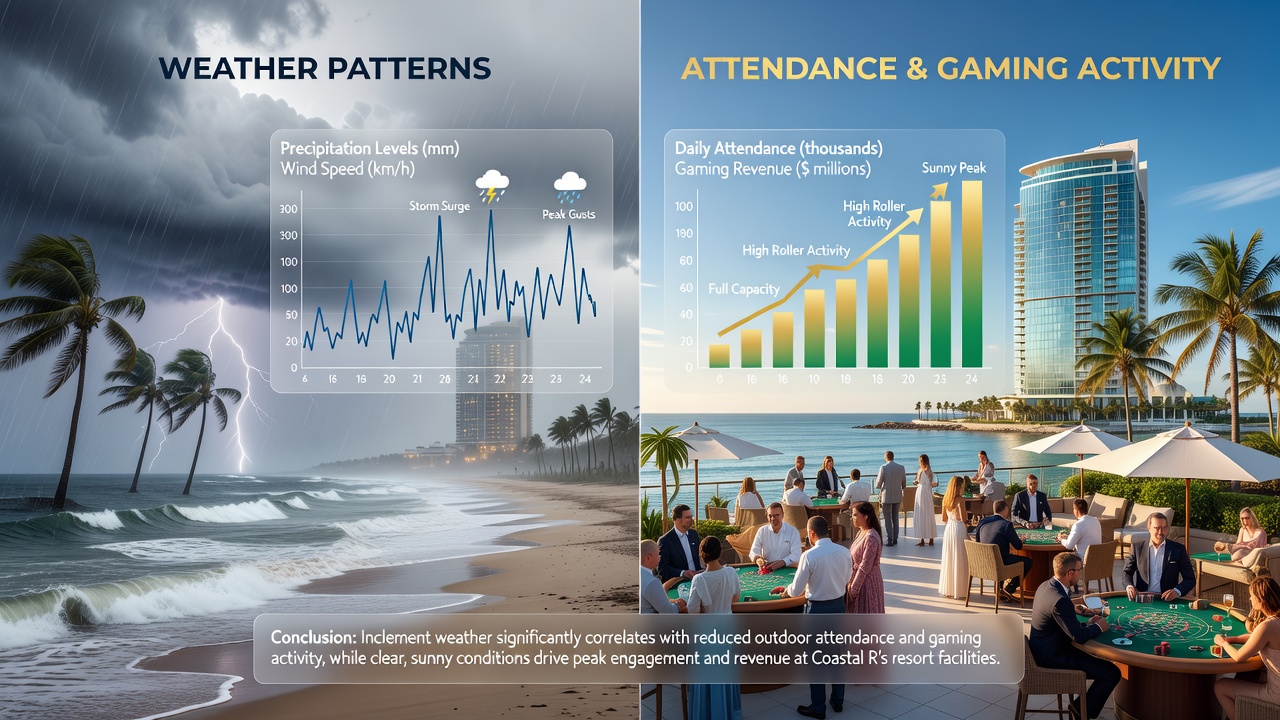
Different coastal zones display unique responses based on local climate norms and infrastructure resilience, with properties in the Northeast contending more often with nor'easters that bring snow and ice, while Gulf properties manage frequent summer thunderstorms and occasional major hurricanes. Figures from industry reports reveal that facilities equipped with robust indoor entertainment options experience smaller attendance dips during brief weather interruptions compared to those relying heavily on outdoor amenities.
Analysts tracking multi-year datasets observe that proactive measures such as weather-linked promotions and flexible cancellation policies help stabilize numbers when conditions turn unfavorable. One study revealed that integrated weather monitoring systems at select resorts allowed managers to anticipate dips and adjust marketing accordingly, resulting in more predictable revenue streams across varying seasons.
Operational Responses to Weather Patterns
Resort operators integrate meteorological forecasts into daily decision-making processes, coordinating with transportation providers and suppliers to maintain service levels even when attendance fluctuates. Data shows that investments in weather-resistant features, including covered walkways and climate-controlled gaming floors, reduce the severity of attendance drops during transitional weather events. Those responsible for facility management report that staff training on rapid response protocols further supports continuity when sudden changes occur.
Long-term planning now incorporates climate projections from sources such as NOAA climate assessments, enabling properties to evaluate risks associated with shifting storm frequencies and intensity over coming decades. This approach allows for infrastructure upgrades that address both immediate weather events and broader environmental trends affecting coastal accessibility.
Conclusion
Weather patterns continue to shape attendance metrics at coastal resort gaming facilities through direct effects on travel safety, guest comfort, and operational capacity, with historical records and ongoing monitoring providing clear indicators of these relationships. Facilities that align staffing, promotions, and maintenance schedules with meteorological data achieve greater consistency in visitor engagement across seasons. As climate conditions evolve, the integration of accurate forecasting remains central to sustaining operations in these dynamic coastal environments.