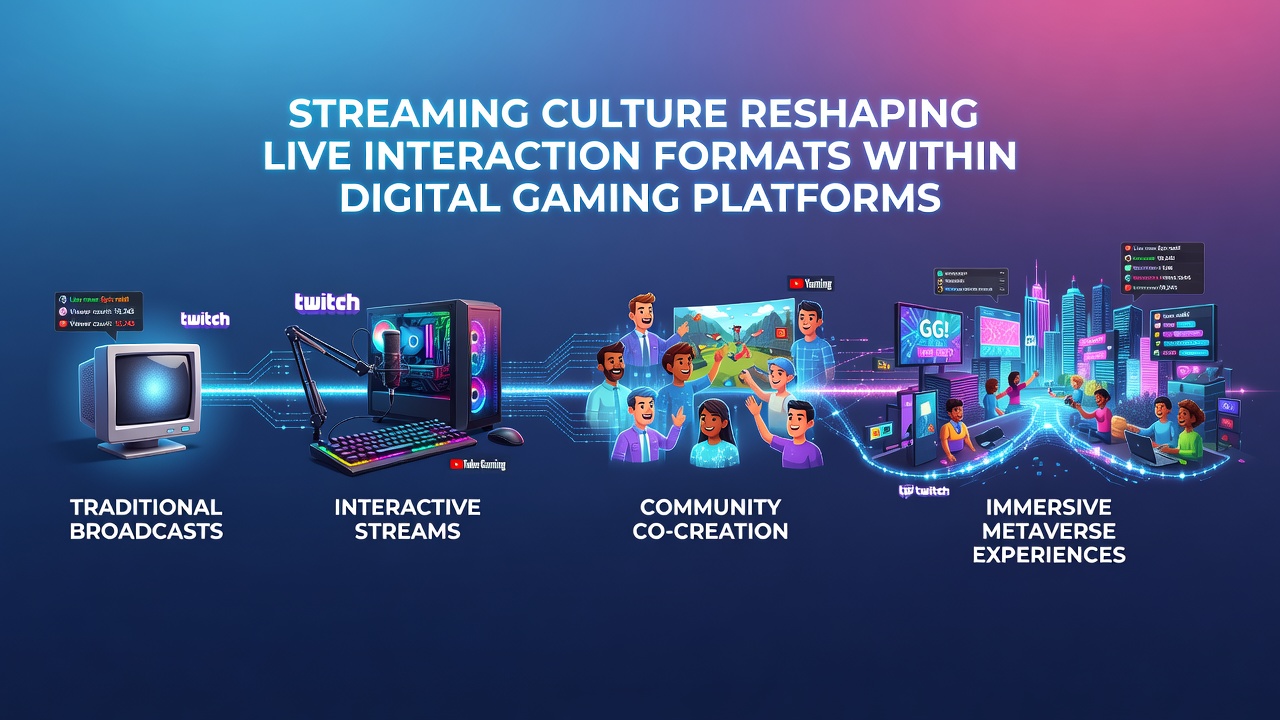
Streaming Culture Reshaping Live Interaction Formats Within Digital Gaming Platforms
Streaming platforms have integrated directly into digital gaming environments, altering how participants exchange information during live sessions, while developers adjust mechanics to accommodate simultaneous viewer input and player responses. Data from industry reports shows that integrations such as on-screen chat overlays and donation triggers now appear in major titles, creating feedback loops that influence in-game decisions without interrupting core gameplay loops.
Platform Integrations Driving Format Shifts
Developers embed APIs from services like Twitch and YouTube into game engines, allowing real-time audience commands to modify events such as enemy spawns or environmental changes, and this setup has expanded since early 2025 updates across multiple franchises. Observers note that games released in 2026 frequently include toggle options for streamer modes that prioritize viewer polls, whereas traditional single-player experiences receive separate patches to support these features. Research indicates that player retention metrics rise when live interactions include synchronized audience votes, as seen in cooperative shooters and battle royales that track participation rates through backend analytics.
August 2026 figures from global user surveys reveal increased adoption of voice-to-text overlays that translate chat messages into audible cues for players wearing headsets, reducing the need for screen glances during intense sequences. Companies have responded by updating controller mappings to accommodate quick acknowledgments of viewer suggestions, and these adjustments appear in both console and PC releases distributed across North American and European markets.
Audience Participation Mechanisms
Live interaction formats now incorporate layered chat systems that filter messages by priority, letting streamers highlight contributions from subscribers while automated moderation tools handle volume spikes during peak events. Studies conducted by academic groups in Canada demonstrate that such systems correlate with higher engagement durations, because participants receive visual confirmations when their inputs register in the game world. Game designers therefore build modular event triggers that scale based on concurrent viewer counts, preventing overload in sessions that attract thousands of simultaneous users.
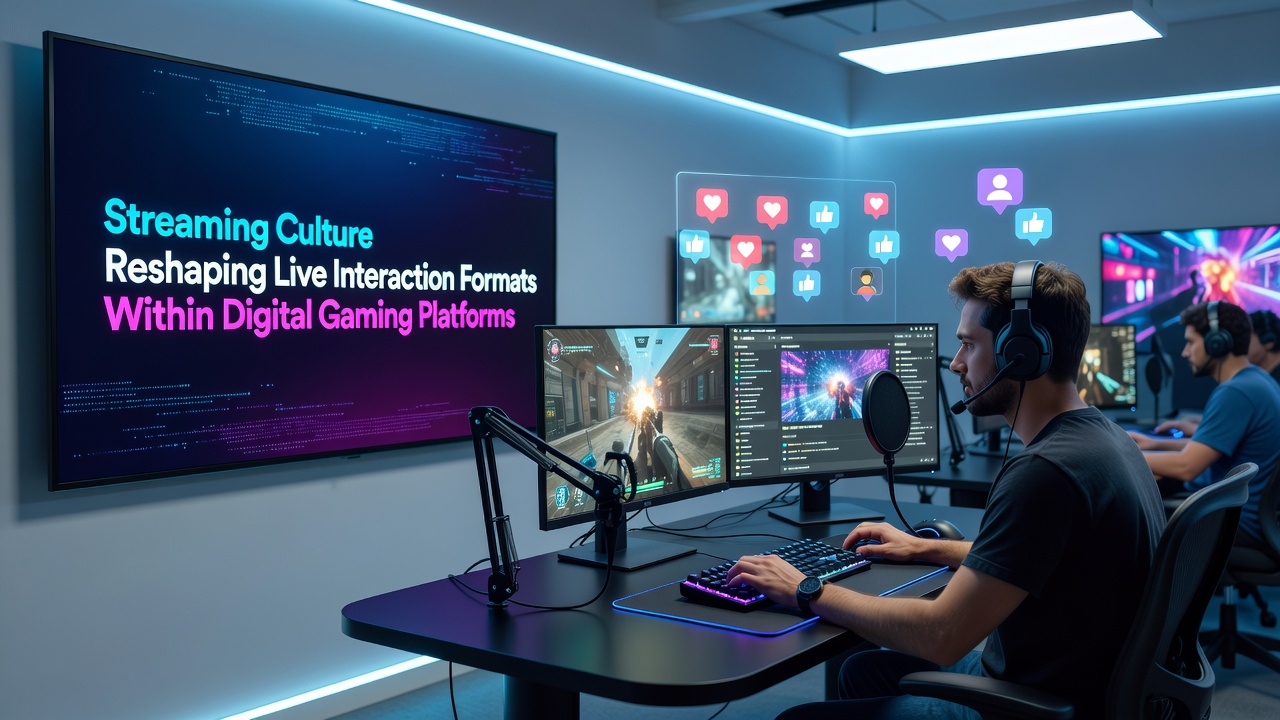
According to the Entertainment Software Association, revenue tied to interactive streaming features grew steadily through the first half of 2026, driven by titles that reward collective audience decisions with cosmetic unlocks or temporary power adjustments. These mechanics appear most often in free-to-play models, where developers balance fairness by limiting the frequency of viewer-driven events. European regulatory bodies have begun reviewing data collection practices around these interactions, focusing on consent protocols for younger participants who join chat channels during broadcasts.
Technical Adaptations and Regional Variations
Bandwidth management tools now prioritize low-latency streams that maintain synchronization between player actions and audience reactions, and updates rolled out in mid-2026 addressed packet loss issues reported in high-density urban networks. Developers in Asia have introduced region-specific variants that emphasize text-based voting systems suited to mobile audiences, whereas North American platforms favor voice integration to match broader hardware capabilities. Industry associations track these differences through comparative reports that highlight how latency thresholds affect interaction quality across time zones.
Research from Australian institutions has examined how overlay customization affects accessibility, finding that color-coded chat indicators improve readability for users with visual processing differences during extended live sessions. Game platforms respond with optional simplified interfaces that strip non-essential elements when streamer metrics indicate performance strain, preserving core interaction flows without compromising viewer visibility.
Conclusion
Streaming culture continues to influence live interaction formats by embedding audience input into game architecture, supported by ongoing technical refinements and regional adaptations documented through 2026. Evidence from multiple sources shows measurable shifts in design priorities that accommodate simultaneous participation, while maintaining separation between entertainment delivery and competitive integrity across digital platforms.