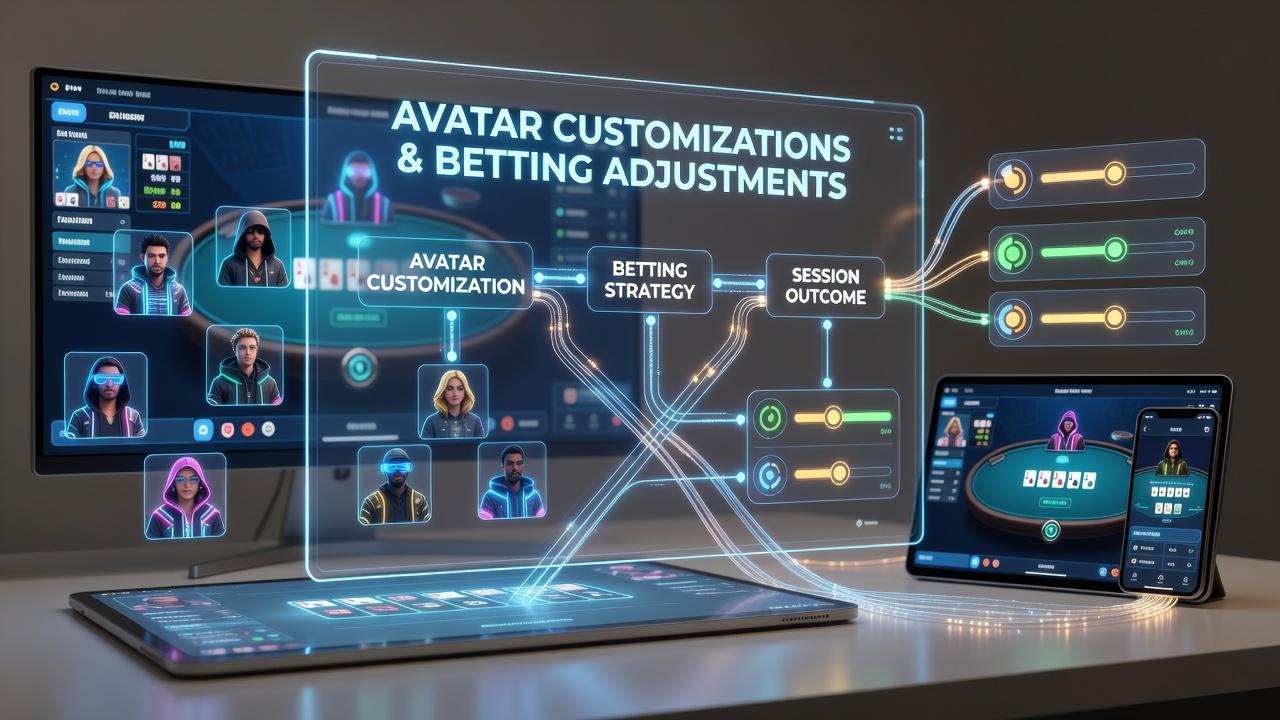
Patterns Linking Avatar Customizations to Betting Adjustments During Virtual Card Sessions on Multi-Device Entertainment Systems
Virtual card sessions on multi-device entertainment systems have shown measurable connections between avatar customizations and subsequent betting adjustments according to platform analytics gathered through 2026. Players who modify visual elements such as clothing, accessories or backgrounds during blackjack or poker rounds often follow those changes with shifts in wager sizes or risk levels within the same session. Data collected from synchronized accounts across smartphones, tablets and desktop interfaces reveals that these adjustments occur in sequences that repeat across user groups rather than appearing randomly.
Tracking Customization Sequences in Card Environments
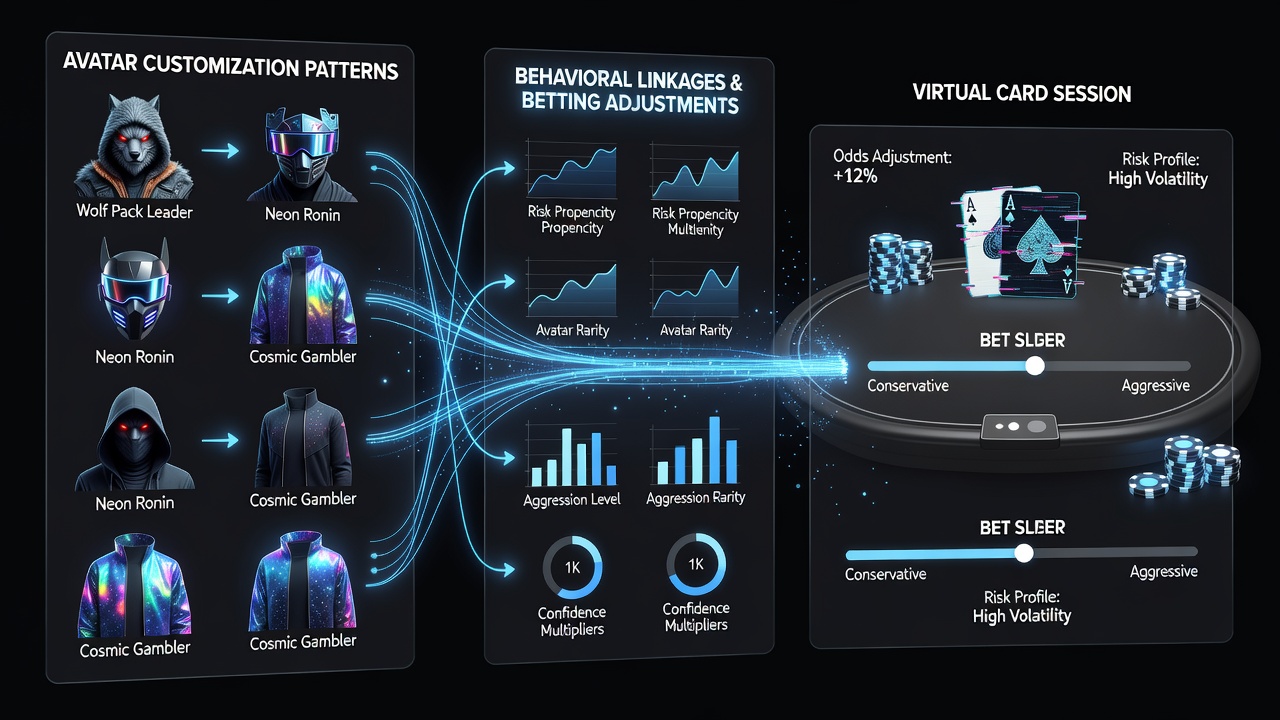
Multi-device platforms record avatar changes through timestamped logs that align with betting histories so researchers can map direct correlations. One pattern emerges when users apply new color schemes or item unlocks to their representations immediately before raising stakes in ongoing hands while another shows reductions in bet amounts following simpler modifications like hairstyle swaps. These sequences appear consistently in sessions that span device switches where a player starts on mobile and continues on desktop without resetting the avatar state. Observers note that customization depth measured by number of elements altered tends to precede larger betting swings whereas minimal edits associate more often with conservative adjustments.
Device Transitions and Behavioral Shifts
Cross-device continuity plays a role because entertainment systems maintain avatar states and betting profiles through cloud synchronization. When sessions move from portable screens to larger displays users frequently apply additional customizations during the transition and then modify bets within the next few rounds. Records from June 2026 indicate that such transitions coincide with a measurable uptick in mid-session wager recalibrations particularly in virtual poker tables where opponents remain visible. The pattern holds across different operating systems yet varies slightly by region with North American users showing more frequent accessory additions before bet increases compared to European cohorts.
Data Correlations from Recent Platform Reports
Analytics from major multi-device operators demonstrate that avatar complexity scores calculated from unlocked items and applied layers correlate with average bet volatility at rates above baseline expectations. A study referenced by the National Council on Problem Gambling examined anonymized logs from 2025 into early 2026 and found that players who customized avatars at least three times per session adjusted bets upward by an average of 18 percent more often than those who kept defaults unchanged. Similar findings surface in reports from Australian regulatory bodies where device handoff data highlights parallel trends in blackjack environments. These figures emerge from aggregated session data rather than individual case tracking which preserves privacy while revealing group-level patterns.
Regional Variations in Observed Patterns
European markets display stronger associations between background theme selections and conservative betting moves while Asian platforms record higher instances of character outfit upgrades preceding aggressive wager increases. Canadian provincial data released around mid-2026 aligns closely with U.S. trends yet notes fewer device switches overall which may influence the frequency of linked adjustments. Researchers at institutions such as the University of Nevada Reno Gaming Research Center have compiled comparative datasets that isolate customization events from other session variables like time of day or game variant to strengthen the observed connections.
Implications for System Design and Player Analytics
Entertainment system developers incorporate these patterns into recommendation engines that suggest avatar options based on prior betting trajectories. The approach allows platforms to present customization prompts at moments when users have historically made larger adjustments thereby streamlining the session flow. Algorithmic models trained on multi-device logs now predict bet change likelihood with increasing accuracy when avatar modification counts exceed certain thresholds. Such tools operate within existing regulatory frameworks that emphasize responsible gaming features without altering core gameplay mechanics.
Conclusion
Patterns connecting avatar customizations to betting adjustments continue to surface in virtual card sessions across multi-device setups as platform data expands through 2026. These connections appear in repeatable sequences that researchers track through synchronized logs and cross-regional comparisons. Continued analysis from academic and regulatory sources will likely refine understanding of how visual personalization intersects wth wagering decisions in synchronized entertainment environments.