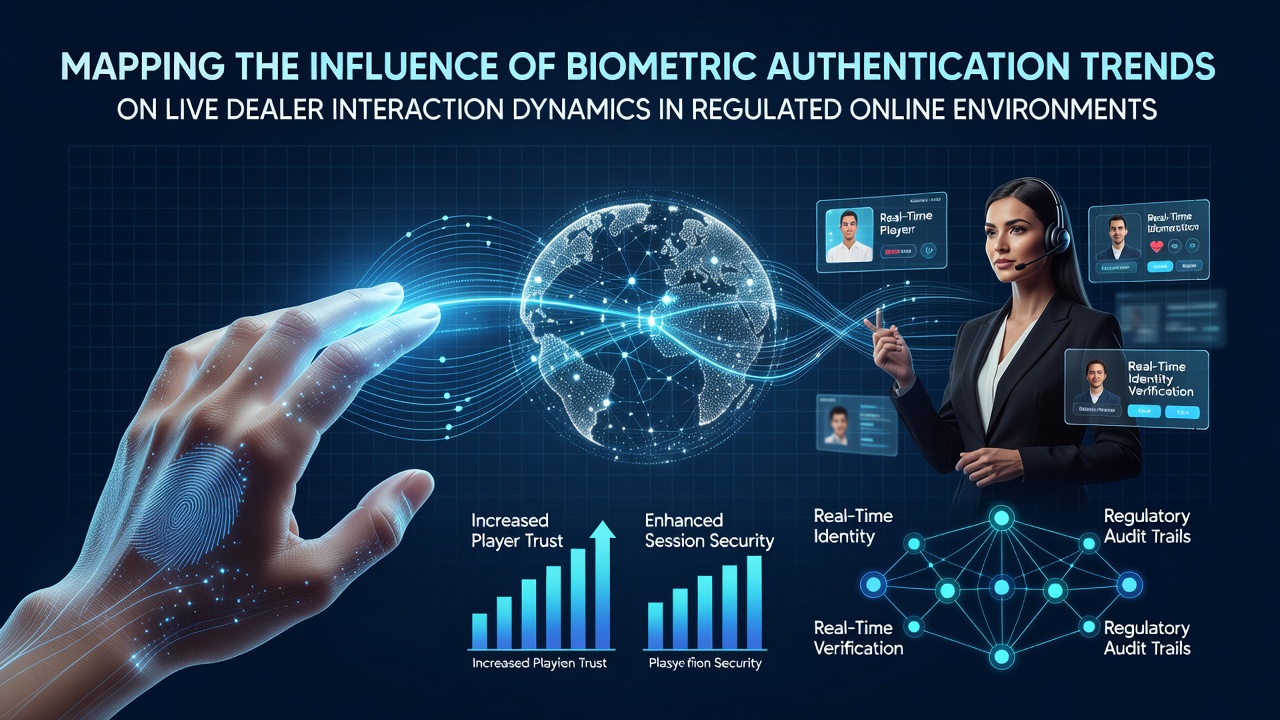
Mapping the Influence of Biometric Authentication Trends on Live Dealer Interaction Dynamics in Regulated Online Environments
Biometric authentication has expanded across regulated online gambling platforms since 2024, and data from multiple jurisdictions shows its growing role in live dealer sessions. Facial recognition, fingerprint scanning, and voice pattern analysis now handle login verification and ongoing session checks, which replaces many traditional password entries. Regulators in North America and parts of Europe track these shifts because they affect both security protocols and how players interact with dealers in real time.
Current Adoption Patterns Across Jurisdictions
Figures released by the American Gaming Association in early 2026 indicate that biometric methods appear in roughly 38 percent of licensed mobile live dealer applications operating in U.S. states with active iGaming laws. Operators in New Jersey and Pennsylvania integrated fingerprint and facial systems first, while newer markets in Ontario and Michigan followed similar timelines. These systems run continuous low-level checks during table sessions, which means dealers see fewer interruptions when players switch devices or rejoin after brief pauses.
August 2026 brought updated guidance from the Malta Gaming Authority that requires biometric re-authentication at random intervals during extended live dealer sessions. The rule aims to deter account sharing without adding visible delays for the player or the dealer. Compliance reports from operators show average session lengths remained stable after the change, suggesting the checks integrate into background processes rather than altering table flow.
Effects on Live Dealer Communication and Pacing
Live dealer platforms rely on quick player decisions and clear audio-visual links, and biometric tools influence both. When facial recognition confirms identity automatically, dealers spend less time waiting for manual verification steps, which keeps betting rounds moving at consistent speeds. Voice authentication further reduces friction during high-volume games such as blackjack and roulette, because players can confirm actions verbally without navigating separate menus.
One study conducted by researchers at the University of Nevada, Reno examined interaction logs from three major platforms and found that biometric-enabled sessions recorded 12 percent fewer dropped connections during authentication events. The same logs showed dealers maintained steadier eye contact with cameras because they encountered fewer system prompts that required their attention. Observers note these small efficiency gains accumulate across thousands of daily tables.
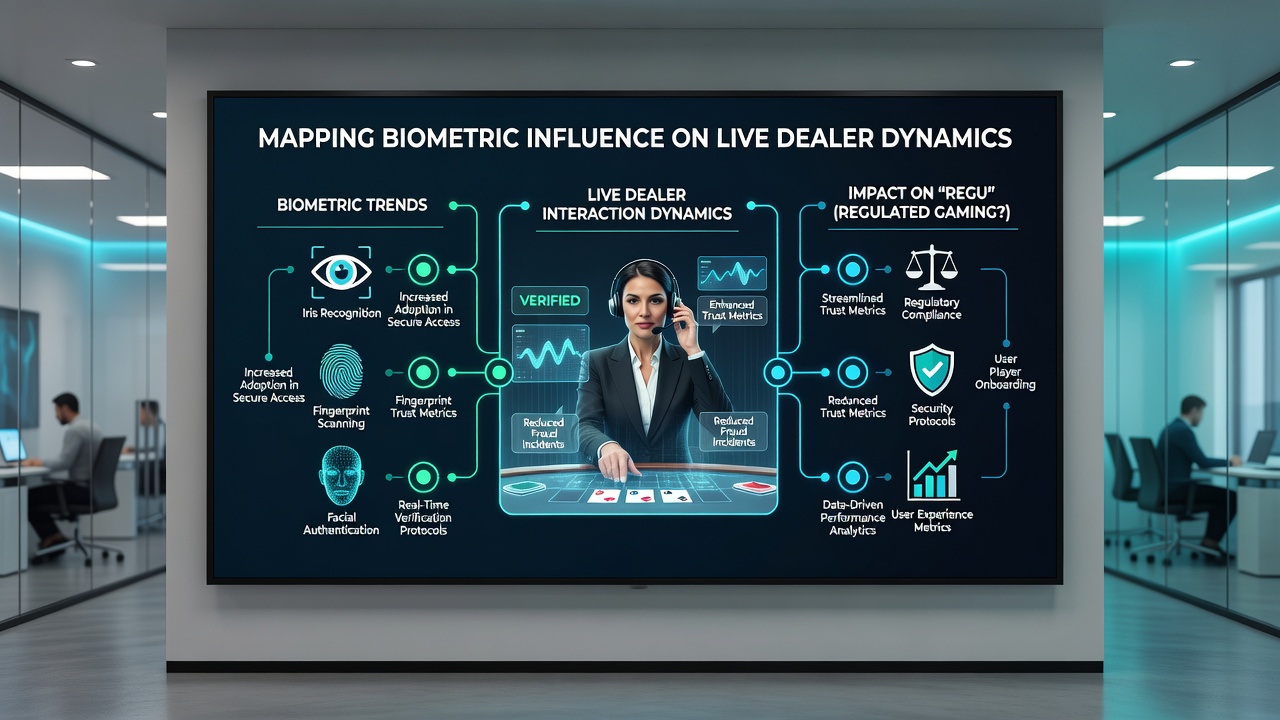
Regulatory Compliance and Data Handling Practices
Operators must store biometric templates under strict encryption standards set by each licensing body, and most platforms now use on-device processing to limit data transmission. The European Gaming and Betting Association published a 2025 position paper that outlines minimum retention periods and deletion procedures for biometric records, and several large operators adopted those guidelines ahead of formal EU-wide rules. This approach keeps player data localized while still satisfying audit requirements from multiple regulators.
Platform designers adjust user interfaces so that biometric prompts appear only when necessary, which preserves the conversational tone between players and dealers. In practice, a dealer may notice a brief status icon confirming verification, yet the player experiences no extra clicks or spoken instructions. The result is smoother table dynamics that align with existing regulatory expectations for fair and transparent play.
Technical Integration Challenges and Solutions
Network latency remains a concern when biometric checks occur alongside live video streams, yet recent 5G deployments have reduced average verification times to under 800 milliseconds in tested markets. Developers combine edge computing with encrypted token exchanges, which lets systems complete checks without pulling full template data from central servers. Operators report that these methods cut authentication failures by more than half compared with earlier cloud-only models.
Training programs for live dealer staff now include modules on recognizing when biometric systems flag unusual patterns, such as multiple device switches in a single session. Dealers learn to maintain normal table procedures while the backend handles the verification, which prevents unnecessary pauses that could affect other players at the same table.
Conclusion
Biometric authentication continues to shape live dealer environments by tightening security layers while reducing visible interruptions during play. Data from 2026 shows measurable improvements in session continuity across regulated markets, and technical refinements keep these processes in the background. As licensing bodies refine their requirements, operators adjust integration methods to maintain both compliance and fluid table interactions. The ongoing mapping of these trends reveals a pattern where security measures and player-dealer dynamics evolve together rather than compete.