How Payment Processing Times Shape Choices in Interactive Table Game Variants Among App Users
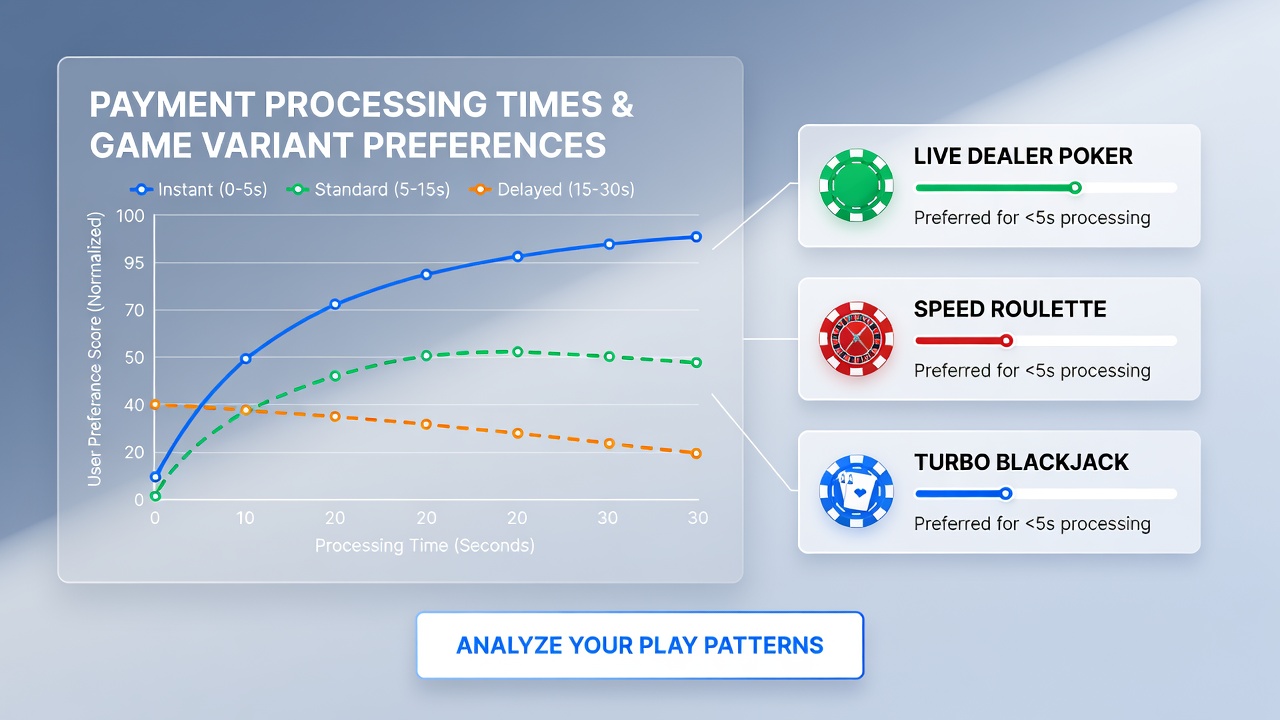
Payment processing times have become a decisive factor in how app users select among interactive table game variants such as blackjack, roulette, and baccarat, with data from August 2026 showing clear patterns in user behavior across major platforms. Researchers at multiple institutions have tracked how delays in transaction confirmation influence decisions, particularly when users compare variants that require frequent in-app purchases or real-time stakes adjustments. Studies indicate that shorter processing windows correlate with higher engagement in fast-paced variants, while longer waits push players toward options with fewer interruptions.
Processing Speed and Variant Selection Patterns
Analyses of app usage logs reveal that users gravitate toward blackjack variants when deposit confirmations complete in under ten seconds, whereas roulette options see increased selection when processing stretches beyond thirty seconds because those games allow more time for background transactions. Data collected through platform analytics in multiple regions shows this split emerges consistently, with baccarat holding steady appeal regardless of speed in cases where users preload funds. Observers note that these trends hold across both iOS and Android ecosystems, though regional payment providers introduce variations tied to local banking infrastructure.
One study released in August 2026 by the Alcohol and Gaming Commission of Ontario documented how processing delays exceeding forty-five seconds reduced repeat sessions in poker-style table variants by measurable margins, while the same delay had minimal effect on simpler card-draw formats. Those findings align with broader industry reports that link transaction friction directly to session length and game-type loyalty. Experts tracking these metrics emphasize that users often test multiple variants within a single session, abandoning slower options mid-play when confirmation lags disrupt flow.
Regional Data and Platform Comparisons
Figures from the American Gaming Association's quarterly summaries highlight differences between North American and European app markets, where payment rails vary in speed and regulatory oversight. In markets with instant bank transfer options, users show broader experimentation across table game variants, while regions relying on card processors record narrower preferences centered on games with built-in pause features. Platform operators have responded by integrating multiple payment gateways, allowing users to switch mid-session when one method slows down.
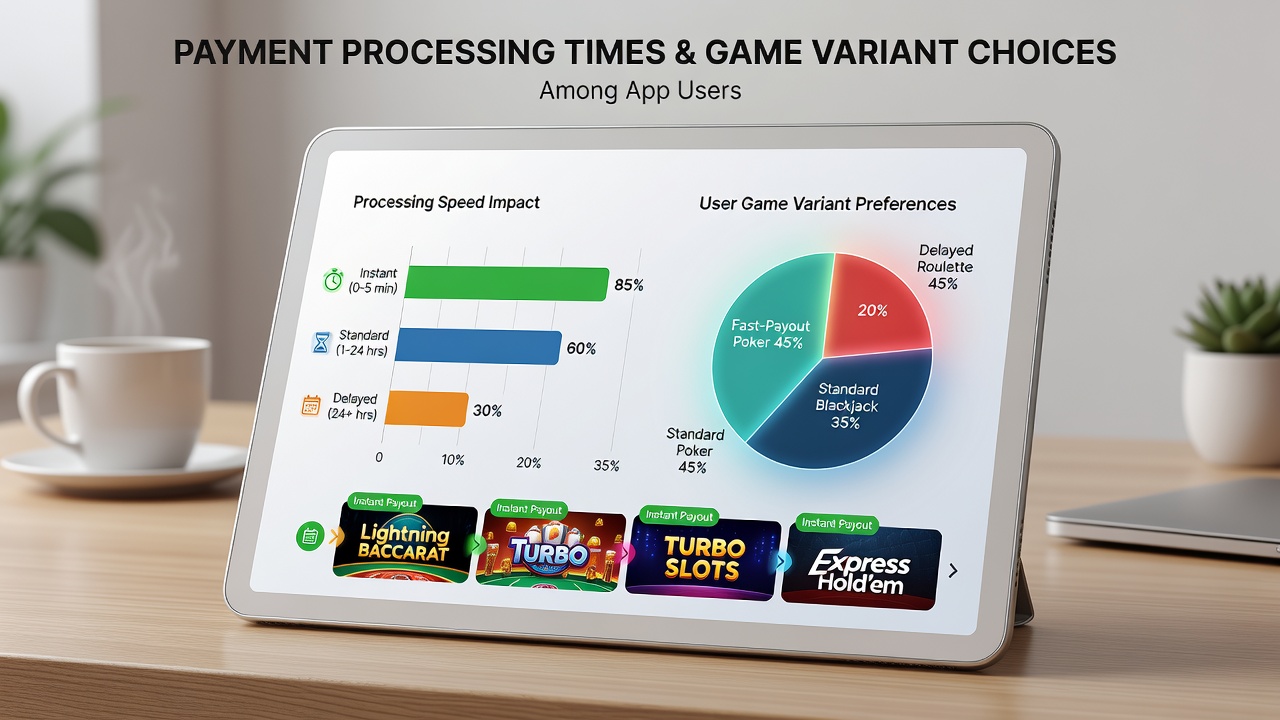
What's interesting is how these choices compound over time, with users developing habits around specific variants based on prior experiences with processing delays. Research indicates that once a player encounters repeated slowdowns in one game type, they rarely return to it even after the underlying payment system improves. This pattern appears in longitudinal data sets spanning several months, suggesting lasting effects on variant popularity tied to early friction points.
Technical Factors Behind User Decisions
App developers have adjusted backend systems to prioritize variants that tolerate variable processing speeds, incorporating visual cues that signal transaction status without halting gameplay. Those modifications stem from user behavior studies showing that transparent wait indicators reduce abandonment rates compared with silent delays. Evidence from testing across different network conditions further demonstrates that 5G connections narrow the gap between variants, yet older infrastructure continues to amplify processing differences in rural areas.
Academic papers examining transaction logs find that users who preload digital wallets exhibit less sensitivity to processing times overall, shifting their variant choices toward strategy-heavy options like certain poker formats rather than luck-based ones. This shift occurs because preloaded funds bypass repeated confirmations, freeing players to focus on game mechanics instead of payment status. Platform data confirms the trend holds across age groups, though younger users adopt wallet solutions at higher rates.
Conclusion
Payment processing times continue to steer user selections among interactive table game variants in measurable ways, with ongoing platform updates and regional infrastructure changes reshaping those dynamics throughout 2026. Data sets from regulatory bodies and industry groups provide consistent evidence that speed remains a core driver, influencing both initial choices and long-term engagement patterns across app ecosystems.