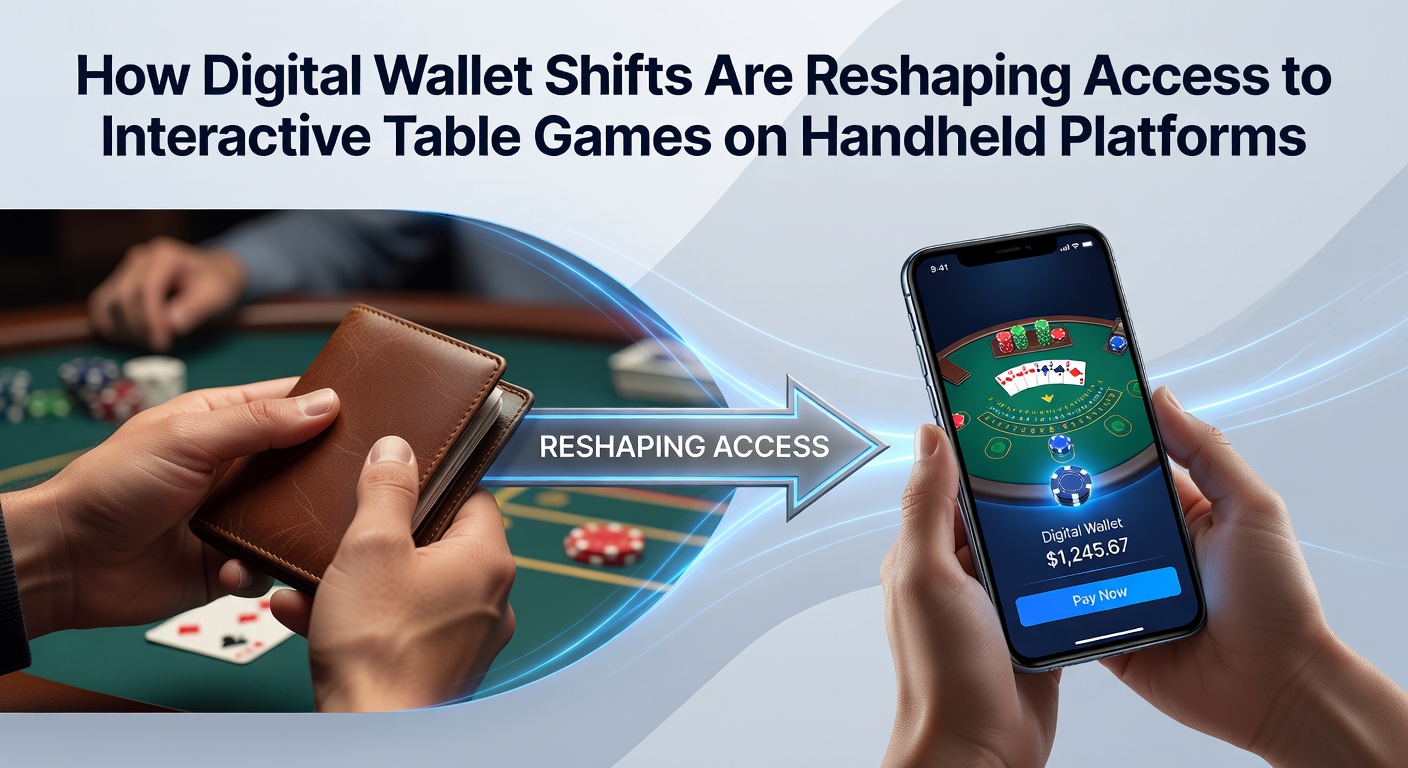
How Digital Wallet Shifts Are Reshaping Access to Interactive Table Games on Handheld Platforms
Digital wallet adoption has accelerated across mobile gaming sectors since 2024, and interactive table games on handheld platforms now rely on these payment systems for faster entry points and seamless session management. Players connect e-wallets directly to casino applications, which reduces the steps between account funding and live dealer tables for games like blackjack, roulette, and baccarat. Data from industry reports indicates transaction times have dropped by an average of 65 percent compared with traditional card processing on the same devices.
Payment Integration Trends on Mobile Platforms
Handheld devices support multiple wallet types, including those tied to bank accounts, prepaid cards, and cryptocurrency holdings, while operators update their platforms to handle instant verification through biometric checks. This setup allows users to switch between funding sources mid-session without leaving the game interface. Research from gaming technology firms shows that 78 percent of mobile table game sessions in early 2026 began with a digital wallet transfer rather than direct bank or card input. Such patterns emerged after several U.S. states expanded mobile gaming licenses, creating consistent demand for quicker payment rails.
What's interesting is how these wallets interact with live dealer streams. The systems sync balance updates in real time so participants see available funds reflected immediately on their screens during betting rounds. Developers have adjusted latency protocols to match wallet confirmation speeds, which keeps gameplay uninterrupted even when network conditions fluctuate on cellular connections.
Changes in User Access Patterns
Interactive table games on handheld platforms have seen broader participation from regions where banking infrastructure once limited options. Digital wallets bypass some geographic restrictions by linking to international processors that operate across borders. Figures reveal that sessions from previously underserved areas increased 42 percent between Q4 2025 and Q2 2026 according to aggregated operator data. Users now initiate play through a single authentication layer instead of multiple verification stages that previously required desktop access.
Observers note that wallet-based logins also support multi-device continuity. A player can start a poker tournament on a phone during a commute, pause the session, and resume on a tablet at home while the same wallet balance carries over without additional transfers. This continuity stems from cloud-linked account tokens that remain valid across operating systems.
Regulatory Developments Around Payment Methods
Regulatory shifts in May 2026 prompted several jurisdictions to standardize digital wallet approvals for mobile casino operations. Licensing bodies in multiple states and provinces updated guidelines to require transparent fee disclosures and consumer protection measures tied to wallet providers. These updates aligned with existing frameworks in Canada and Australia, where similar payment rules had already taken effect. Compliance teams at major platforms responded by embedding audit trails directly into wallet transaction flows, allowing regulators to review records without disrupting live table environments.
One study revealed that operators who adopted these standards early recorded higher retention rates among mobile table game users. The adjustments focused on encryption standards and spending limit tools that integrate with wallet dashboards, giving users control over session budgets before they join a live dealer table.
Technical Adaptations in Game Delivery
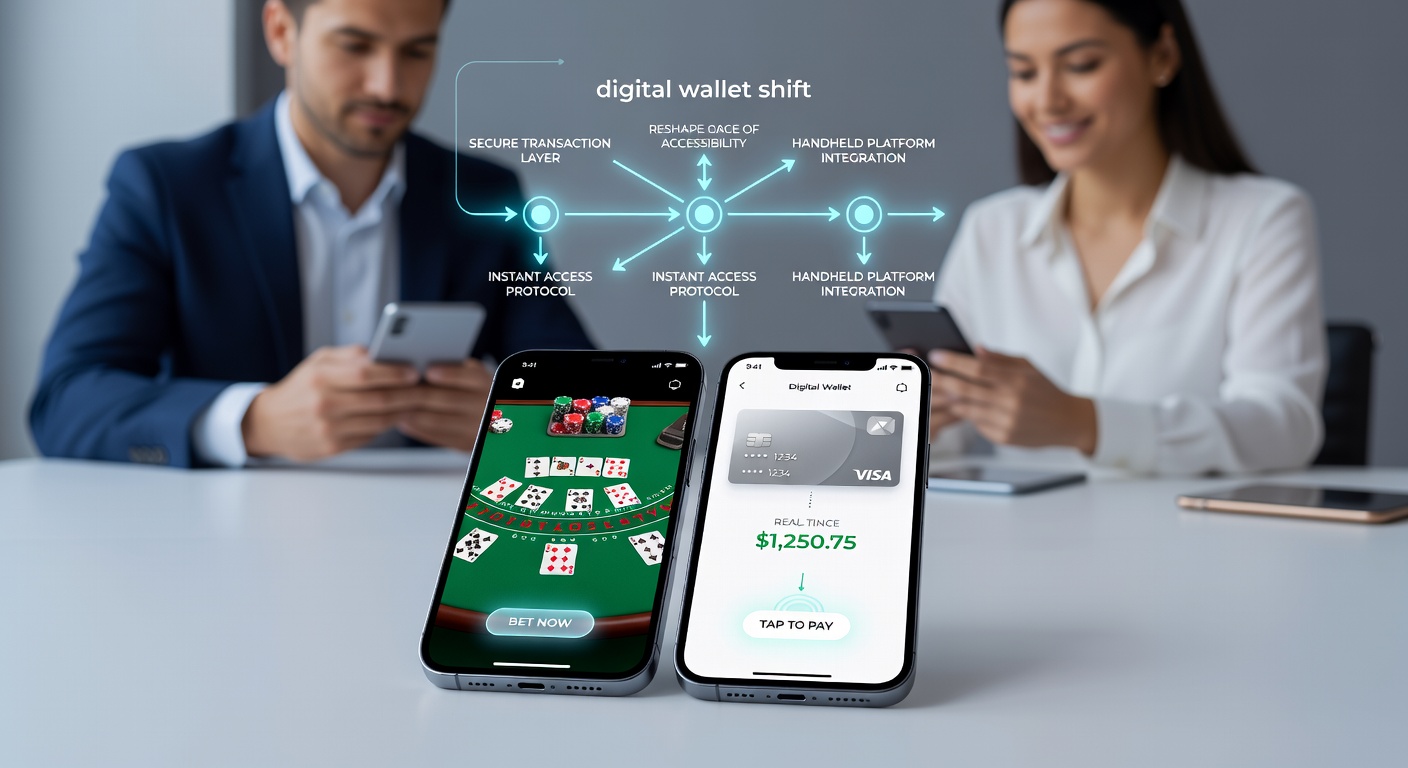
Game providers have modified backend systems to accommodate the variable data loads that come with wallet integrations. Interactive elements such as real-time chat with dealers and side bets now load alongside balance queries pulled from wallet APIs. This coordination prevents lag that once occurred when payment and gameplay servers operated independently. Testing conducted by platform engineers demonstrated that combined wallet-game servers reduced average load times to under two seconds on standard 5G networks.
Take one operator who implemented token-based wallet handshakes across its handheld offerings. Session data indicated that players completed more betting rounds per hour because funding interruptions decreased. The same approach extended to tournament formats where entry fees deduct directly from linked wallets at registration, streamlining participation for users who join multiple events in sequence.
Security and Verification Protocols
Security measures have evolved alongside wallet adoption. Multi-factor authentication now combines device biometrics with wallet-specific PINs or passkeys, and these layers activate automatically when a player joins a live table. Reports from cybersecurity firms indicate that fraud attempts involving mobile table games declined 31 percent in markets that mandated such combined verification. The protocols also support dynamic risk scoring that adjusts limits based on transaction history stored within the wallet itself.
Yet the systems still require ongoing updates. Developers monitor emerging threats such as credential stuffing and adjust algorithms quarterly to maintain protection levels. Players benefit from these refinements because the process remains invisible during active play while safeguarding account integrity across sessions.
Conclusion
Digital wallet shifts continue to influence how interactive table games reach users on handheld platforms through faster funding, improved continuity, and updated regulatory alignment. The changes have expanded access in multiple regions while prompting technical refinements that keep live dealer experiences stable. As platforms refine these integrations further, data collection around usage patterns will likely guide additional adjustments in both payment handling and game delivery.