
How Cryptocurrency Protocols Influence Unlock Sequences in Portable Reel Interfaces
Portable reel interfaces rely on mobile applications that deliver slot-style games across handheld devices, and cryptocurrency protocols now shape the conditions under which feature unlocks occur within those systems. Smart contracts executed on distributed ledgers define the precise criteria for releasing bonus rounds, progressive multipliers, and level advancements, replacing traditional server-side checks with transparent, on-chain verifications that players can audit independently.
Protocol Mechanics Behind Unlock Triggers
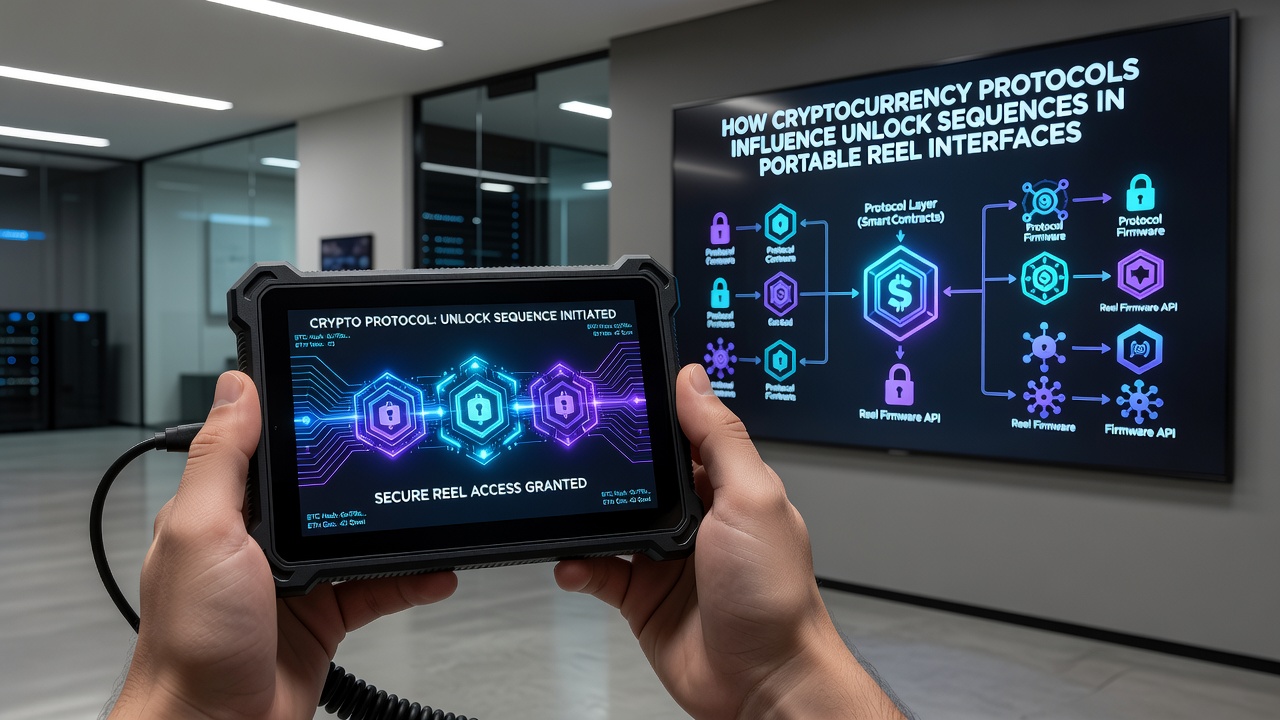
Blockchain networks such as Ethereum and its layer-two scaling solutions process token transfers and staking events that directly feed into unlock sequences, while protocols like those built on Solana enable faster confirmation times that reduce latency between a deposit and the activation of reel features. Developers embed these conditions into application code so that a verified transaction hash must appear on the ledger before the interface grants access to special symbol sets or free-spin packages.
Research conducted by academic teams at technical universities has shown that hash-based verification cuts down on disputes over whether a player met the required wager threshold, since every transaction carries an immutable timestamp and amount. In August 2026 several platforms reported integration of zero-knowledge proofs that allow the game client to confirm eligibility without exposing the full wallet balance, maintaining privacy while satisfying the unlock rules coded into the smart contract.
Impact on Mobile Application Architecture
Portable interfaces must now incorporate lightweight blockchain nodes or API gateways that query multiple chains in real time, adding new layers to the traditional game loop of spin, result, and payout. When a user initiates a crypto transfer, the application pauses the reel animation until the protocol confirms the transaction, then releases the next stage of the unlock sequence without requiring a round-trip to a central database. This architecture reduces single points of failure yet introduces dependency on network congestion and gas fees that can delay feature activation during peak hours.
Security and Transparency Considerations
Observers note that cryptographic signatures attached to each unlock event provide an auditable trail that regulatory bodies can review without requesting proprietary server logs. Data compiled by the Nevada Gaming Control Board through its technology testing division indicates that platforms using on-chain unlock logic experienced a measurable drop in chargeback requests during the first half of 2026, because players could independently verify that all conditions had been met. At the same time, the same reports highlight increased scrutiny around smart-contract vulnerabilities that could allow premature feature releases if the code contains logical errors.
Regional Regulatory Responses
Authorities in New Jersey and several Australian states have begun requiring operators to submit the source code of relevant smart contracts for review before approving new reel titles that incorporate crypto-based unlocks. These submissions include details on how token standards interact with the probability tables that govern reel outcomes, ensuring that the introduction of blockchain triggers does not alter the certified return-to-player percentages. Industry groups such as the European Gaming Association have published technical guidelines that recommend separating the random-number generation process from the payment and unlock layers to preserve game integrity across different jurisdictions.
Future Protocol Developments
Emerging standards for non-fungible tokens tied to specific reel symbols are under active testing, allowing players to trade or stake unique digital assets that permanently alter unlock thresholds for their accounts. Developers continue to explore cross-chain bridges that would let a single portable interface accept unlocks triggered by assets residing on multiple ledgers, a step that could further complicate compliance but also expand player choice. Figures released by research institutions tracking blockchain adoption show steady growth in the number of mobile reel sessions initiated with cryptocurrency throughout 2026, underscoring the expanding role these protocols play in shaping feature accessibility.
Conclusion
Cryptocurrency protocols have become integral components of the unlock mechanisms found in portable reel interfaces, dictating timing, verification, and transparency through smart-contract logic and distributed ledger entries. As platforms refine these integrations and regulators refine oversight frameworks, the relationship between blockchain transactions and reel feature releases continues to evolve in measurable, documented ways.