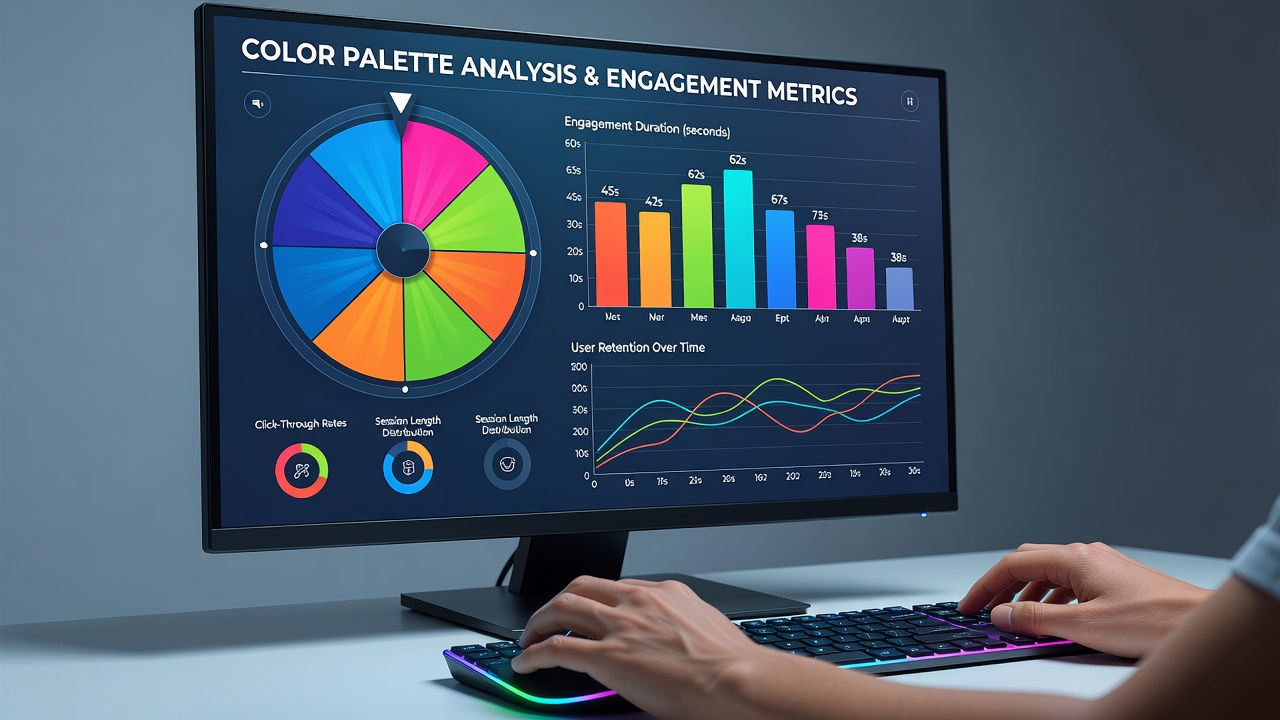
Analyzing Color Palette Selections in Interface Layouts and Resulting Engagement Durations Within Virtual Spinning Game Environments
Virtual spinning game environments rely heavily on interface design choices where color palette selections play a central role in shaping how users interact with spinning reels and bonus features, and data from multiple platform studies track these selections against measured engagement durations across sessions. Observers note that developers select palettes ranging from high-contrast reds and golds to cooler blues and greens, each combination calibrated to influence visual flow during reel spins and symbol reveals.
Common Palette Structures in Spinning Interfaces
Design teams often apply primary palettes built around saturated foreground colors against darker backgrounds to maintain focus on spinning elements, while secondary accents highlight paylines or multiplier indicators, and researchers have catalogued these patterns across hundreds of mobile and desktop titles released through 2025 into early 2026. Studies from interface labs show that palettes with warm dominant hues tend to pair with faster reel animation speeds, whereas muted tones appear more frequently in games emphasizing longer bonus rounds.
Platform analytics collected during the first half of 2026 reveal consistent palette groupings where red-orange schemes dominate high-volatility spinning titles, blue-purple schemes appear in progressive jackpot environments, and neutral earth tones feature in casual spinning variants, each tied to distinct session length distributions recorded by backend telemetry systems.
Measurement Approaches for Engagement Durations
Engagement duration tracking relies on timestamped interaction logs that capture time between spins, pause intervals, and exit points, allowing analysts to correlate palette variables with total minutes spent per session across user cohorts segmented by device type and region. Academic teams at institutions in North America and Europe have applied regression models to these datasets, isolating color temperature and saturation levels as measurable predictors while controlling for sound design and animation variables.
Figures released in reports covering activity through June 2026 indicate that sessions featuring palettes with elevated red channel values averaged longer continuous play periods before voluntary exits compared with sessions using predominantly cool palettes, though exact deltas vary by game mechanics and player history. Canadian regulatory summaries and industry white papers from the same period document parallel patterns when aggregated across multiple operators.
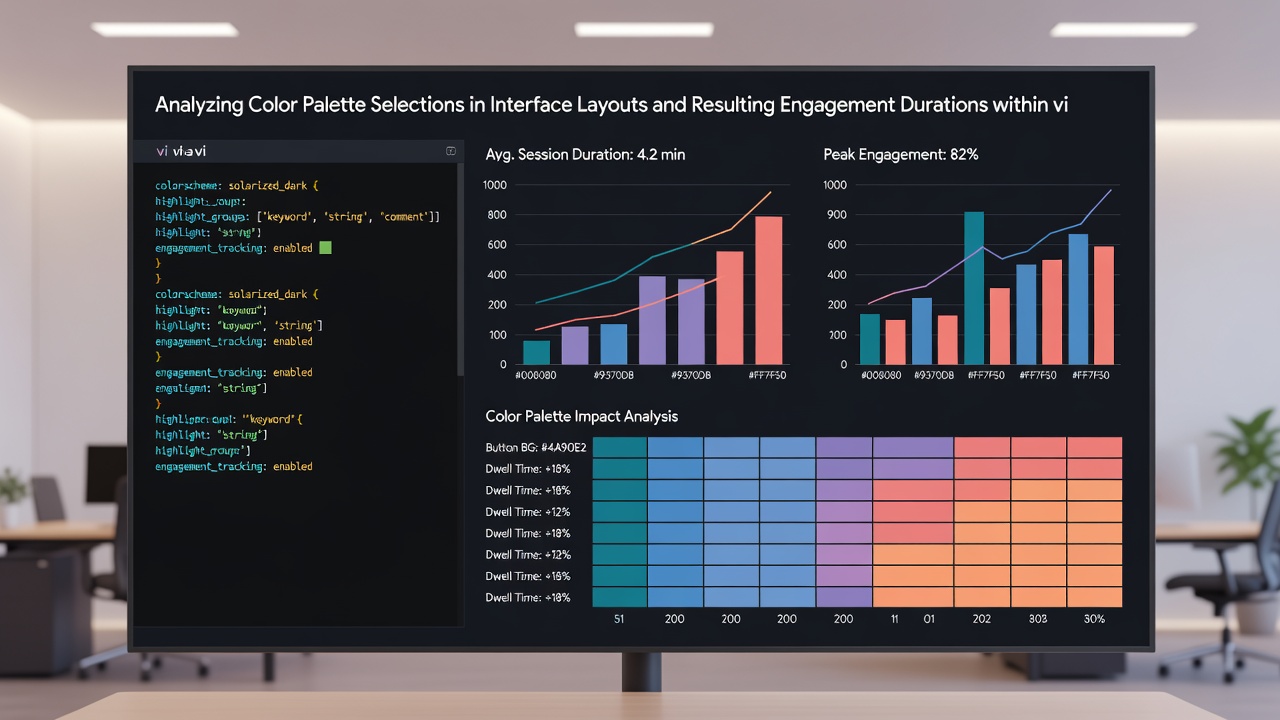
Regional and Platform Variations Observed in 2026
European operators publishing quarterly interface audits note that palette adjustments introduced in spring 2026 coincided with shifts in average engagement durations on both Android and iOS deployments, while Australian market data collected by state gaming authorities show similar palette-duration relationships when segmented by desktop versus handheld access points. These observations emerge from standardized logging protocols that record RGB values at the moment each spin initiates, creating traceable links between palette parameters and retention curves.
What's interesting is how saturation adjustments within the same hue family produce measurable differences, with higher saturation levels correlating to extended time spent reviewing paytables before resuming spins, according to aggregated logs from multiple titles updated in the second quarter of 2026. Researchers continue to refine these correlations through controlled A/B tests deployed across live environments.
Technical Factors Interacting With Palette Choices
Brightness calibration on user devices interacts with selected palettes, and telemetry from June 2026 sessions shows that mobile users on high-brightness settings recorded different engagement patterns than those on default levels when identical color values were presented, prompting developers to incorporate adaptive palette layers that respond to ambient light sensors. Such adaptations maintain consistency in perceived contrast during spinning sequences regardless of hardware variations.
Network latency also plays a documented role because delayed reel stops can alter how users perceive color transitions, and studies published by research groups in Asia and North America confirm that smoother frame delivery amplifies the effect of high-contrast palettes on continued engagement, whereas lag reduces the advantage regardless of palette selection.
Conclusion
Platform operators and interface researchers continue compiling datasets that connect specific palette selections to engagement duration outcomes in virtual spinning environments, with evidence drawn from 2026 telemetry establishing clear statistical relationships across regions and device categories. These findings support ongoing refinements in color application standards while maintaining compatibility with diverse hardware and regulatory reporting requirements.